Low-CarbonIndustry News
BLE Mesh Lighting Retrofit Cost vs DALI Wired
Introduction
BLE mesh lighting retrofit cost vs DALI wired comes down to three lines on the quotation: control wiring, commissioning days, and what happens when the layout changes next season. A BLE mesh head keeps its mains supply and takes dimming over the air, while a DALI job pulls a two-wire bus to every fitting and addresses each driver one by one. This guide compares the two paths on those three lines, using the same numbers behind our BLE mesh system for store retrofits.
- Wiring — mains-only refit with no signal pair against a DALI bus with its own power supply.
- Commissioning — phone grouping at floor level against per-driver addressing with software tools.
- Compatibility — gateway bridge to existing DALI gear against rip-and-replace rewiring.
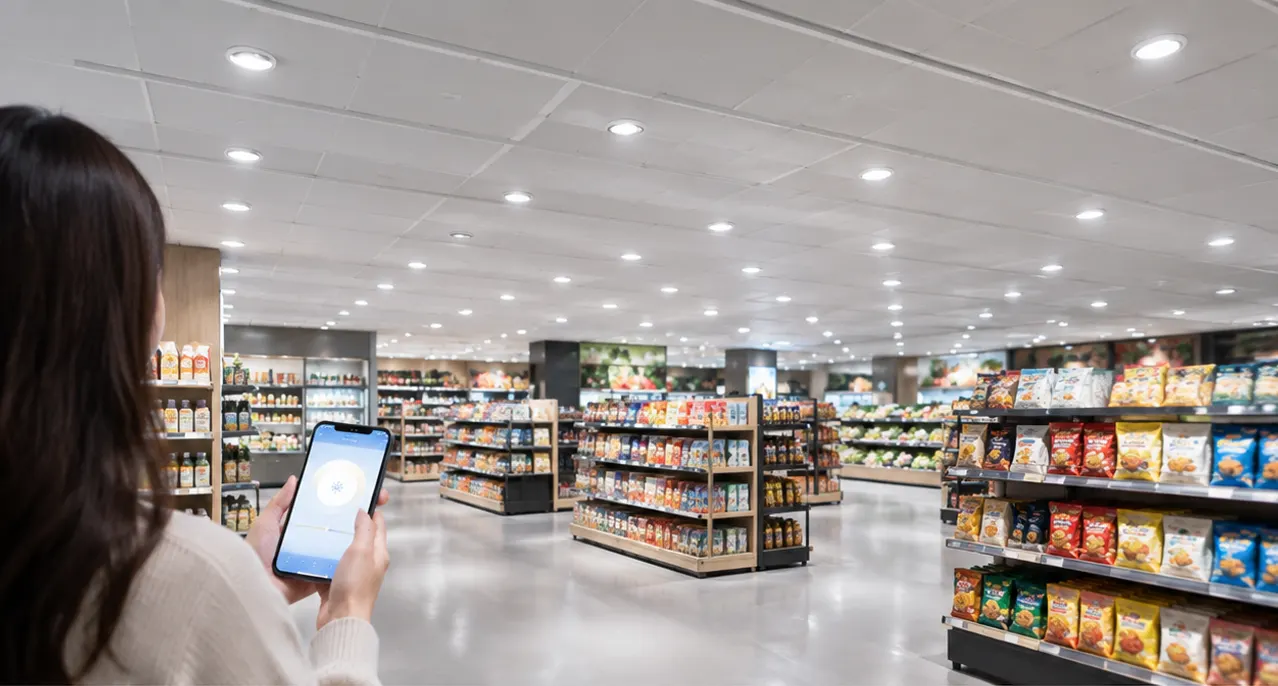
Wiring Cost: Mains-Only Against a New Bus
A wired DALI retrofit runs power plus a polarity-free two-wire bus to each controlled fitting, within roughly 300 m per segment and 64 gear addresses per bus, and the bus needs its own power supply on the schedule. In a running supermarket that means opening ceilings, adding containment, and paying licensed hours for cable the shopper never sees. Industry project feedback puts wireless savings at 60-80% fewer control-wiring hours because that second cable simply disappears — see the bus limits in the DALI-2 digital lighting control standard.
BLE mesh flips the material list: each fitting keeps line, neutral and ground, and dimming arrives by radio from the mesh around it. Every head relays for its neighbours, so coverage grows denser as fittings join instead of needing home runs back to a controller. The DL01-BLE bluetooth mesh downlight with phone provisioning wires exactly this way — mains between fittings, scenes over the air — so a trading store never closes a ceiling for a signal pair.
Commissioning: Phone Hours Against Addressing Days
DALI commissioning is precise but manual: address up to 64 drivers per bus, group them into at most 16 groups, store scenes, then verify each address answers. On a 500-head sales floor that is days of ladder work with software tools, and every re-merchandising risks another visit. BLE mesh commissioning happens at floor level — a technician walks the aisles with a phone, bulk-copies one tuned profile across a zone, and groups get regrouped from a phone at floor level when the planogram changes.
The published cases frame the gap conservatively: a German 4,400 sqm office refit cut installation and commissioning cost 44% against wired controls, with 5-year ownership 11% lower, while multi-project feedback reports 30-50% shorter total install time for wireless. Schedules and scenes then live on the mesh and run locally, so the store keeps evening levels even if the internet drops — no cloud in the nightly control loop.
| Cost line | BLE mesh refit | DALI wired refit |
|---|---|---|
| Control wiring | Mains only, no signal pair | Two-wire bus plus bus power supply |
| Addressing | Phone provisioning, bulk zone profiles | Up to 64 gear per bus, software addressing |
| Layout change | Regroup in app, no ceiling work | Re-address and verify, possible rewiring |
| Offline behavior | Scenes run locally on the mesh | Runs locally on the bus once commissioned |
| BMS path | Optional gateway to cloud and BMS | Native controller and gateway integration |
| Best fit | Running stores, phased refits | New builds with strict central specs |
Compatibility: Bridge, Don't Rip Out
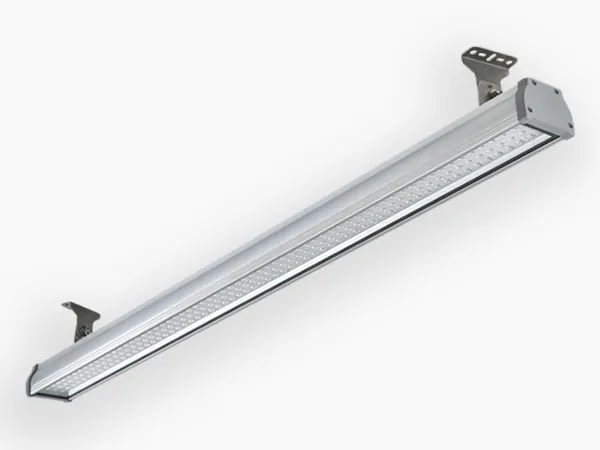
For stores with wired gear already in the ceiling, a Bluetooth-to-DALI gateway joins both worlds: DALI heads keep their drivers and addresses, the mesh adds phone scenes and sensors around them, and one app drives the mixed zones. That is why the honest rule reads: for running refits pick mesh, and if the brief demands a central controller with strict commissioning specs see the wired path instead — our FORT-A wired DALI linear high bay for warehouses holds that side with DALI-2 drivers for dusty high-bay aisles.
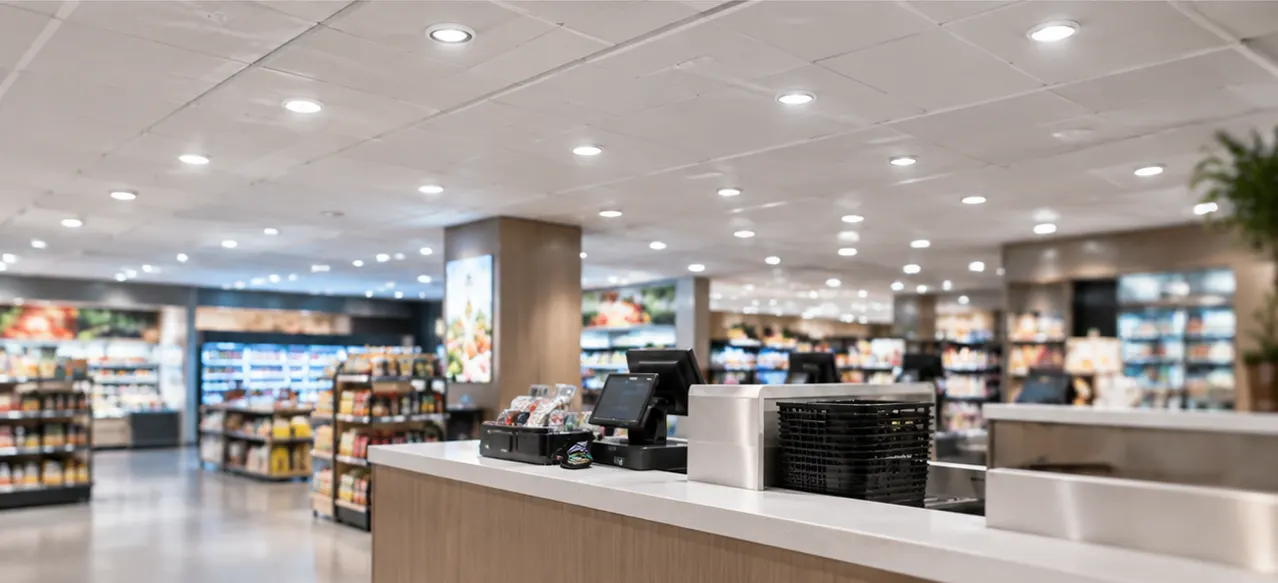
Fixture Proof: What You Actually Order
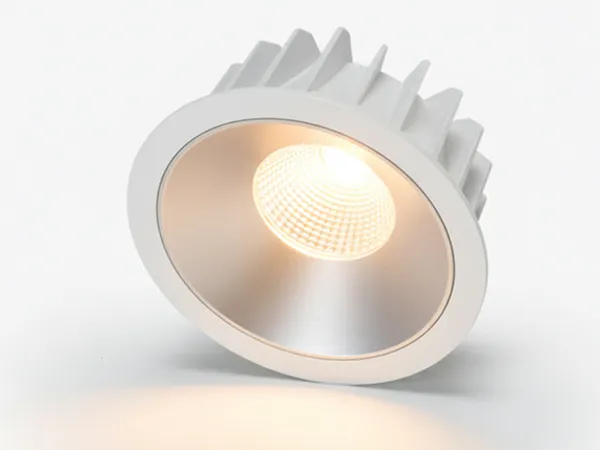
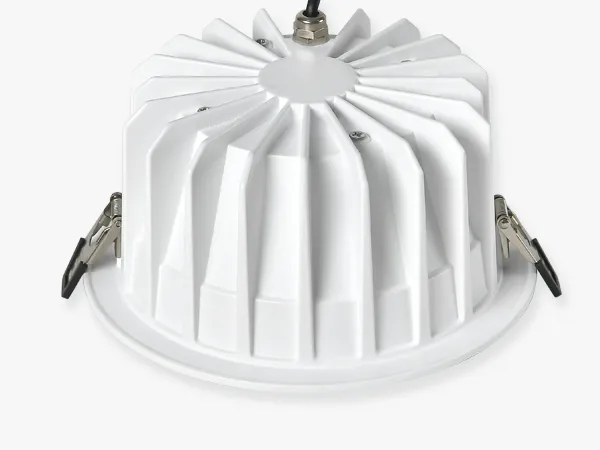
Cost talk only counts if a real fitting backs it. The DL01-BLE carries the same UGR22 comfort housing as the wired DL01 family at 10-30W and 1450-4300lm, Ra90 with 38/60-degree beams in 105-200 mm cutouts — so the refit swaps drivers, not ceilings. Pair it inside the retail lighting combination of track and downlight layers when aisles need accent heads next to comfort downlights.
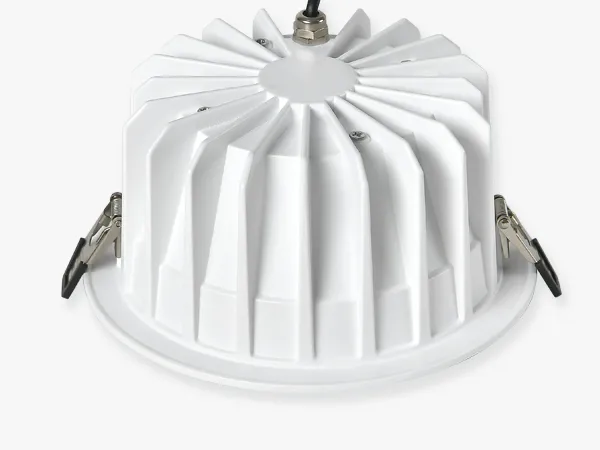
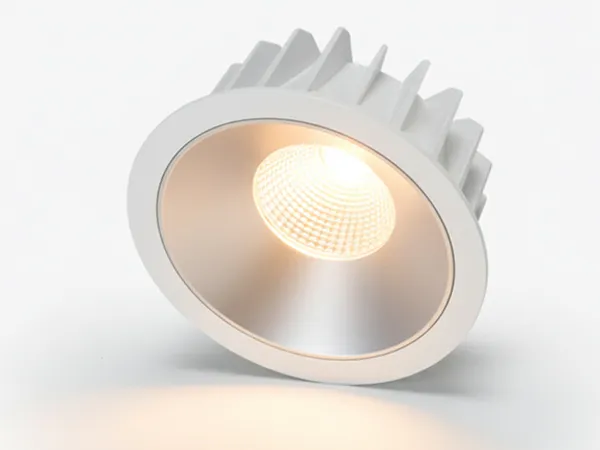
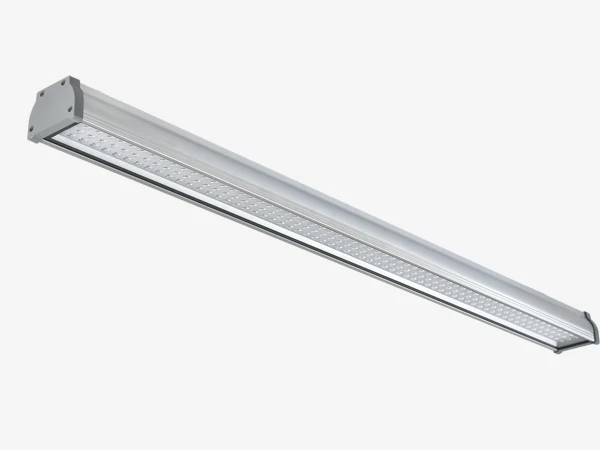
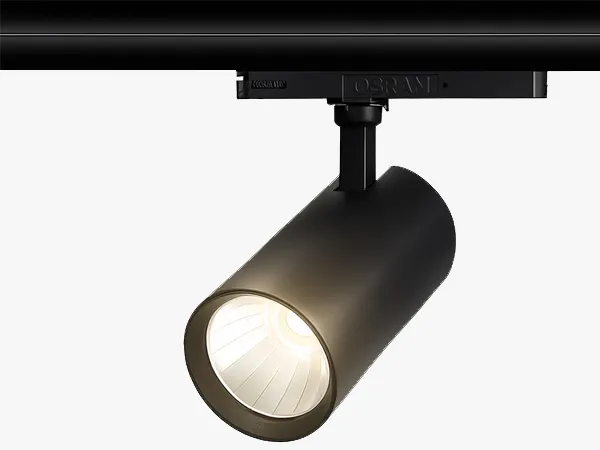
Pictured: the four fittings behind this guide — wireless DL01-BLE, wired DL01, wired FORT-A high bay, and VUE-S accent spot.
FAQ
Conclusion
For a store that must keep trading, BLE mesh removes the two most expensive retrofit lines — the signal cable and the addressing days — while a gateway keeps existing DALI gear earning its keep. Price both paths on your own floor plan, count the ceiling hours honestly, and the cheaper route usually shows itself before the second page of the quotation. When the order is placed, hand the crew the BLE mesh bulk commissioning steps for lighting projects and commission zone by zone in one visit.
Skipping the signal pair cuts control-wiring hours by 60-80%, and bulk phone profiles shorten total install time by 30-50% against per-driver addressing. Existing DALI drivers stay in the ceiling behind a Bluetooth-to-DALI gateway, so zones regroup in the app with no ceiling work.
Sources
- According to the Bluetooth SIG, Bluetooth Networked Lighting Control (2023), decentralized mesh commissioning runs from phone apps while gateways bridge existing wired gear.
- DALI bus model reused in this guide: roughly 300 m per segment with 64 gear addresses per bus, grouped into at most 16 groups.
Send Message
Fill out the form and we will get back to you as soon as possible